


From Voice to Systemic Transformation

Safe & Contextualized Environment
Supportive adults, school and partnerships, Role models, IVRS, KGBV Structure

Foundational Capacities
Belonging, Self – Efficiency, Emotional regulation, Critical Thinking, Decision-Making

Increased Agency
Voice, Control, Goal-Setting, Boundary- Making

Transformational Outcomes
Education Continuity, Delayed Marriage, Career Action,
Peer Influence

Ecosystem Activation
Teachers, Wardens, Parents, District Officials shift their practices and expectations
Where the Gap Lies

Recursive relationship between system change and increased agency in girls
Why Agency Matters
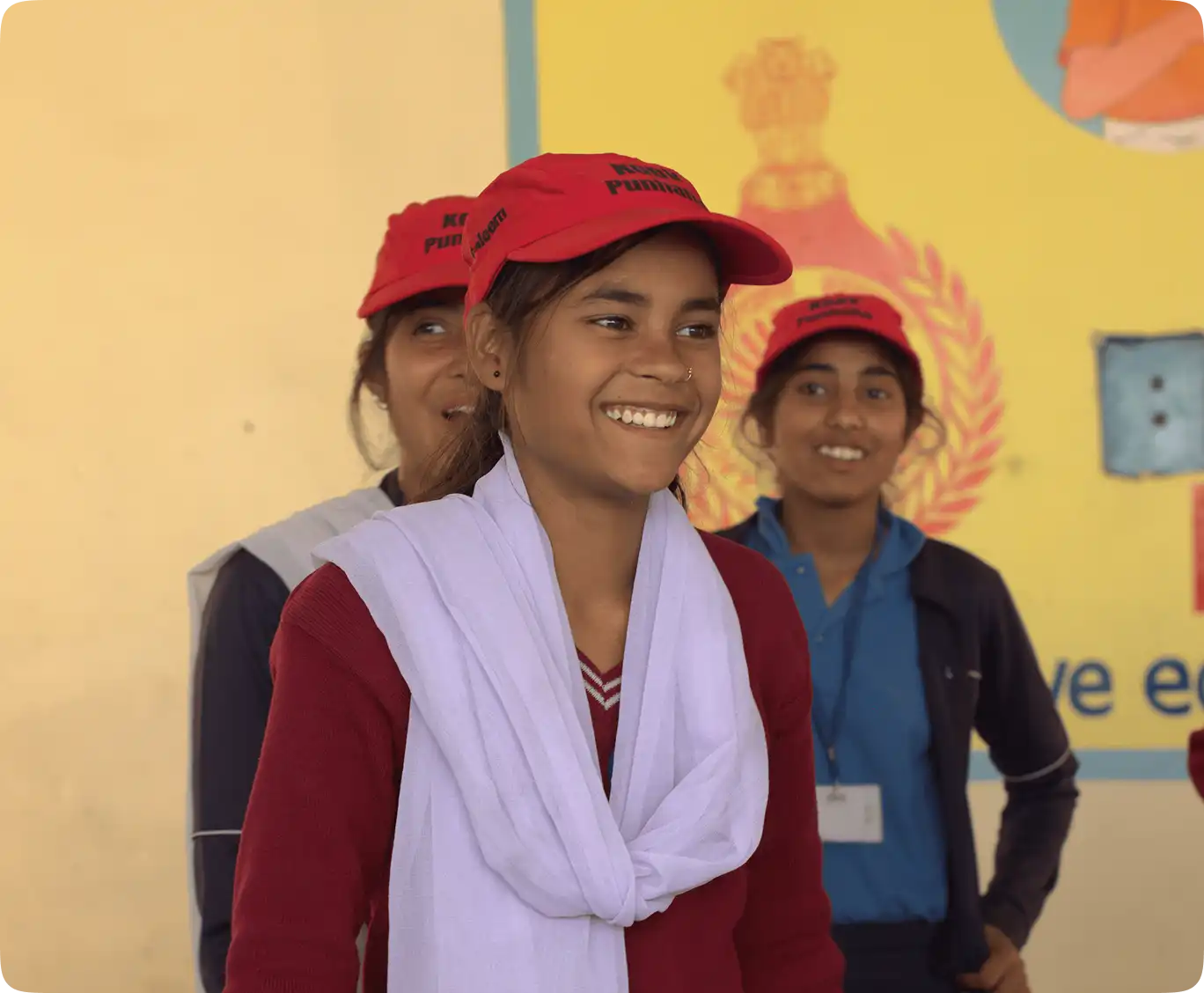
Agency is what turns education into freedom.
It’s not just a personal trait; it grows through relationships — between a Girl and her Teachers, her parents, her peers, and her community.
When Girls begin to act from a place of agency, they start questioning boundaries. And when adults respond with openness instead of resistance, it sparks something powerful: systemic transformation.
This is how change takes root not from above, but from within.
Our Approach: Ecosystems That Listen and Evolve
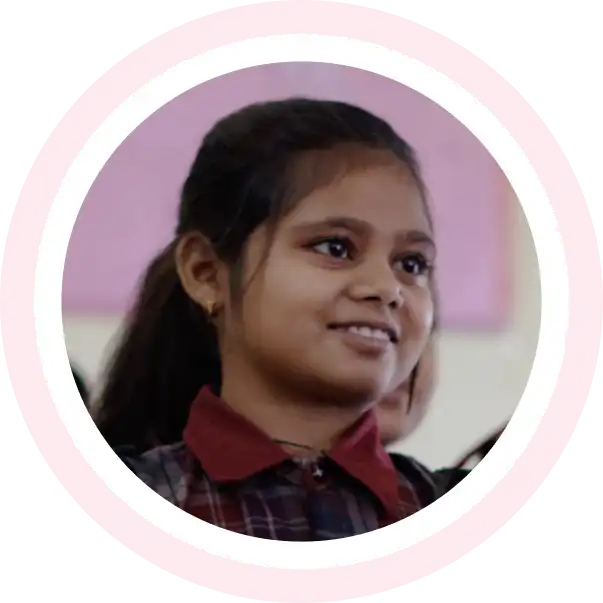

Girls build confidence, expression, and decision-making through programs like Saheli Ki Udaan, RunToFly, and Mai Bhi Curie.

Government partners join hands with us to embed these lessons into policy and practice, ensuring the work sustains beyond us.

Teachers, wardens, and parents learn to listen, encourage, and support creating environments of trust and emotional well-being.

Communities initiate dialogue and support Girls’ choices and help shift norms that hold them back
How Change Feels on the Ground
Change doesn’t always announce itself.
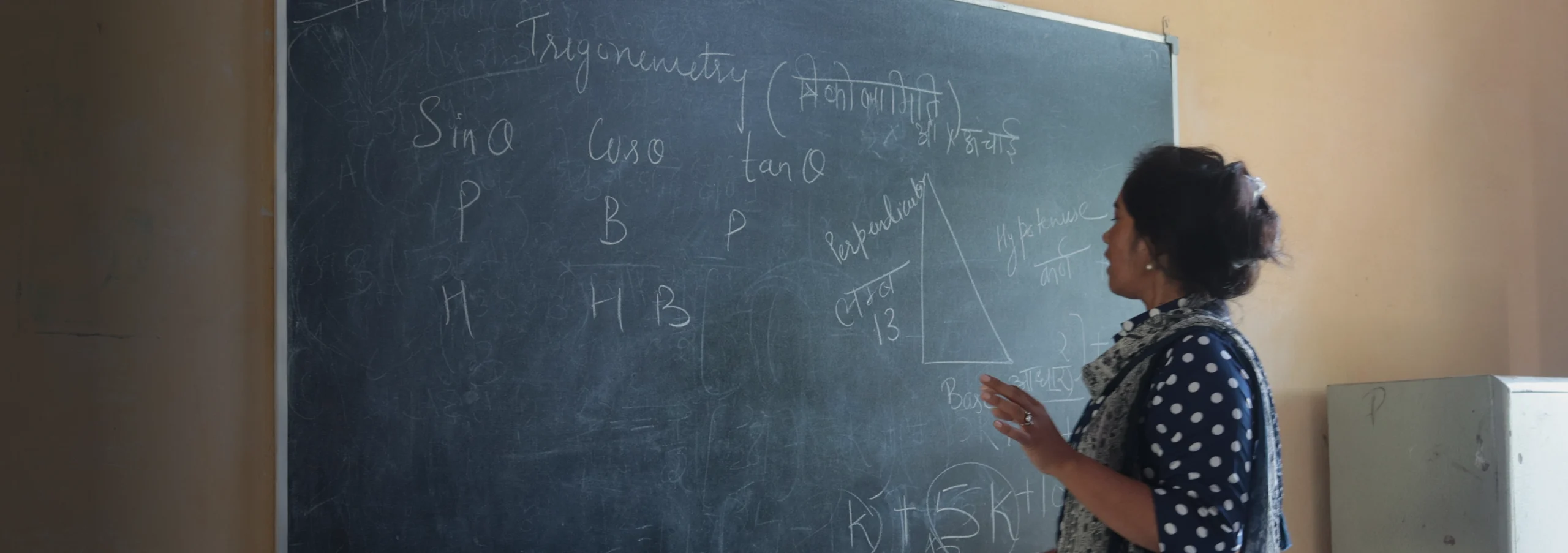
It looks like a Girl speaking up for the first time in class.
A Teacher choosing to stay late for her student.
A Father beginning to believe that his daughter’s education is worth protecting.
A girl becomes the first from her village to pursue higher education outside the state.